

We’ve had some very windy, stormy weather here in the Scottish Borders lately. Perhaps you’ve found yourself pulling your scarf tighter, tucking your chin down, and hurrying along to escape a sudden gust of cold wind.
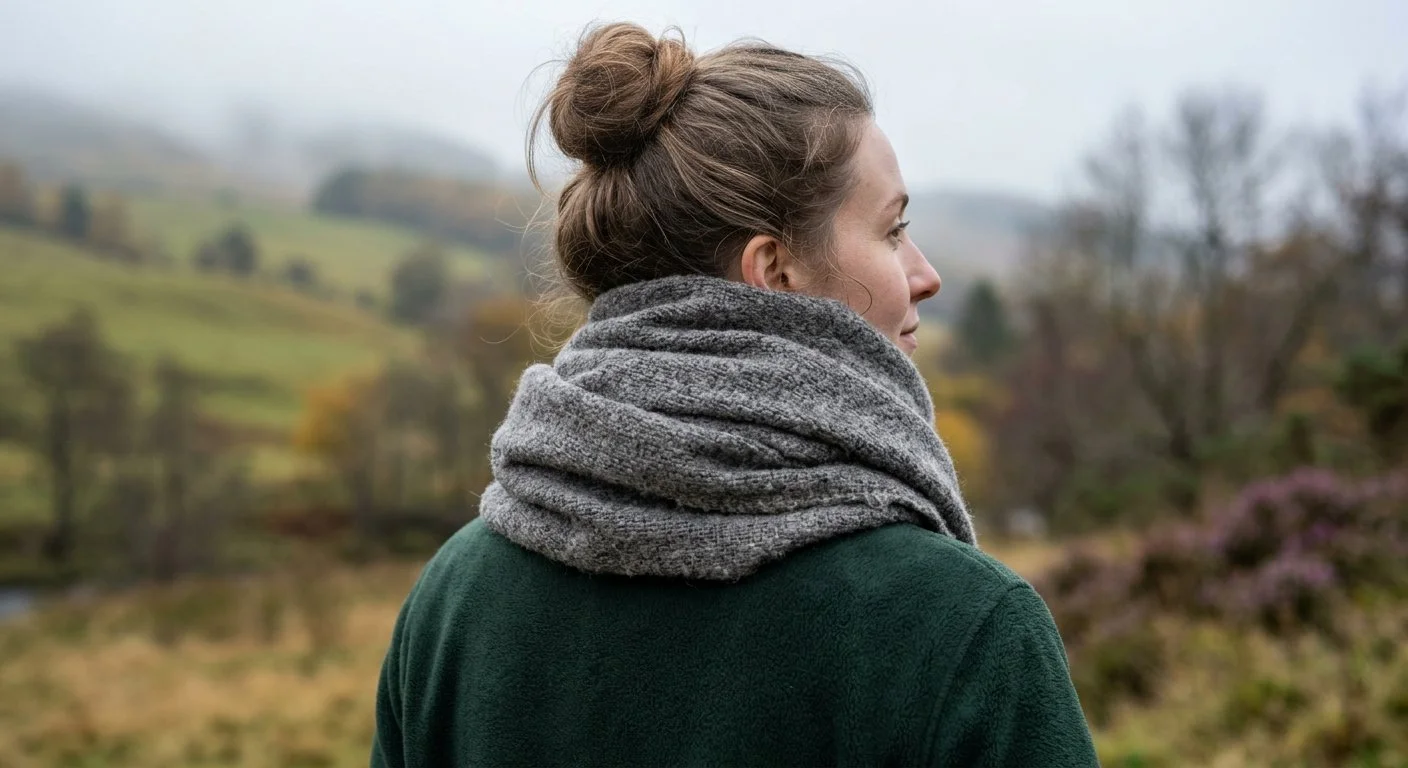
For me, there’s another reason to pay attention to keeping the back of my neck covered. It’s a simple piece of advice I learned from my teacher during my studies of Traditional Chinese Medicine (TCM)—and it's a habit that has stayed with me in everyday life ever since.
It all relates to an area associated with what Chinese medicine calls the Wind Gate. While it might sound like a small detail, it opens up a fascinating look at how TCM understands our relationship with the environment.
The Wind Gate: A Window Into Chinese Medicine
In TCM, "wind" is considered an external pathogenic factor—a traditional way of describing environmental influences that can contribute to patterns of imbalance or feeling run-down.

Because of this, the back of the neck and upper back are viewed as particularly vulnerable areas. TCM traditional framework groups several key acupuncture points here:
Feng Chi (GB20): Commonly translated as Wind Pool, located in the hollows at the base of the skull on either side of the neck.
Feng Men (BL12): Commonly translated as Wind Gate or Wind Door, located near the upper spine between the shoulder blades.
Da Zhu (BL11): Another key upper-back point often looked at during seasonal shifts.
According to traditional theory, wind can enter through these vulnerable areas around the neck and upper back, contributing to what TCM describes as wind-related patterns.
While modern medicine explains the common cold through viruses, Chinese medicine looks at things through a complementary lens—focusing on how environmental changes like cold wind affect our physical comfort and balance.
I’ve always found this perspective fascinating. Something as simple as a cold gust of wind links us directly to a much wider, ancient tradition of looking at how our bodies react to the world around us.
Why Cold Wind Causes Neck & Shoulder Aches
When a cold autumn wind hits the exposed skin at the back of your neck, your body’s natural reflex is to pull tight—hunching your shoulders up toward your ears to shield yourself from the draft.
When you repeat this posture throughout the day, the muscles across the upper back, shoulders, and base of the skull stay in a constant state of contraction. In TCM, cold is considered "contracting" by nature. Exposure to cold wind causes the movement in these pathways to slow down, leading to:
A stiff, painful neck after being outdoors
Knots and tight, aching shoulders
Tension headaches that creep up from the base of the skull
Protecting these Wind Gate areas keeps the muscles warm, relaxed, and mobile even when the Border weather turns blustery. If you frequently experience persistent muscular tightness or everyday aches, targeted pain relief acupuncture treatments can help restore free movement and release deep-seated tension in these upper back pathways.
Wind Doesn’t Always Mean a Cold
When we hear the word "wind," we naturally think of a runny nose, a sore throat, or standard cold symptoms. In TCM, those can indeed be associated with external wind patterns (sometimes alongside cold or heat).
However, the concept is much broader than that:
Internal Wind: TCM also describes internal wind, which can be linked to involuntary movements like mild tremors or muscle spasms.
Movement and Change: Because wind is traditionally tied to movement and change, wind-related patterns often involve symptoms that appear suddenly or seem to come and go.
This doesn’t mean every episode of restlessness or feeling unsettled is "caused" by wind! Rather, it’s a brilliant example of how TCM uses its own traditional framework to interpret different combinations of signs and symptoms.
How This Informs My Practice Today
When someone comes to see me at the clinic while recovering from a cold or a lingering bug, I look at their overall experience rather than focusing on a single symptom.
Depending on the individual, I might choose acupuncture points traditionally associated with wind as part of a tailored treatment. Because no two people experience an illness the exact same way, no two treatments are identical either.
For me, that is the beauty of Chinese medicine: looking at how different signs fit together and considering the person as a whole.
Acupuncture supports your body’s natural balance rather than treating viruses directly, and recovery always takes time. As always, if your symptoms are persistent, worsening, or concerning, it’s important to seek advice from your GP or medical professional.
A Few Simple Tips for a Windy Autumn
In TCM, adapting our daily habits to the changing seasons is a core part of supporting long-term wellbeing. With the winds howling across the Borders right now, a few easy habits can keep you comfortable:
Cover the back of your neck: A cozy scarf is your best friend. Shielding your neck from blustery weather is a habit I practice myself every single week.
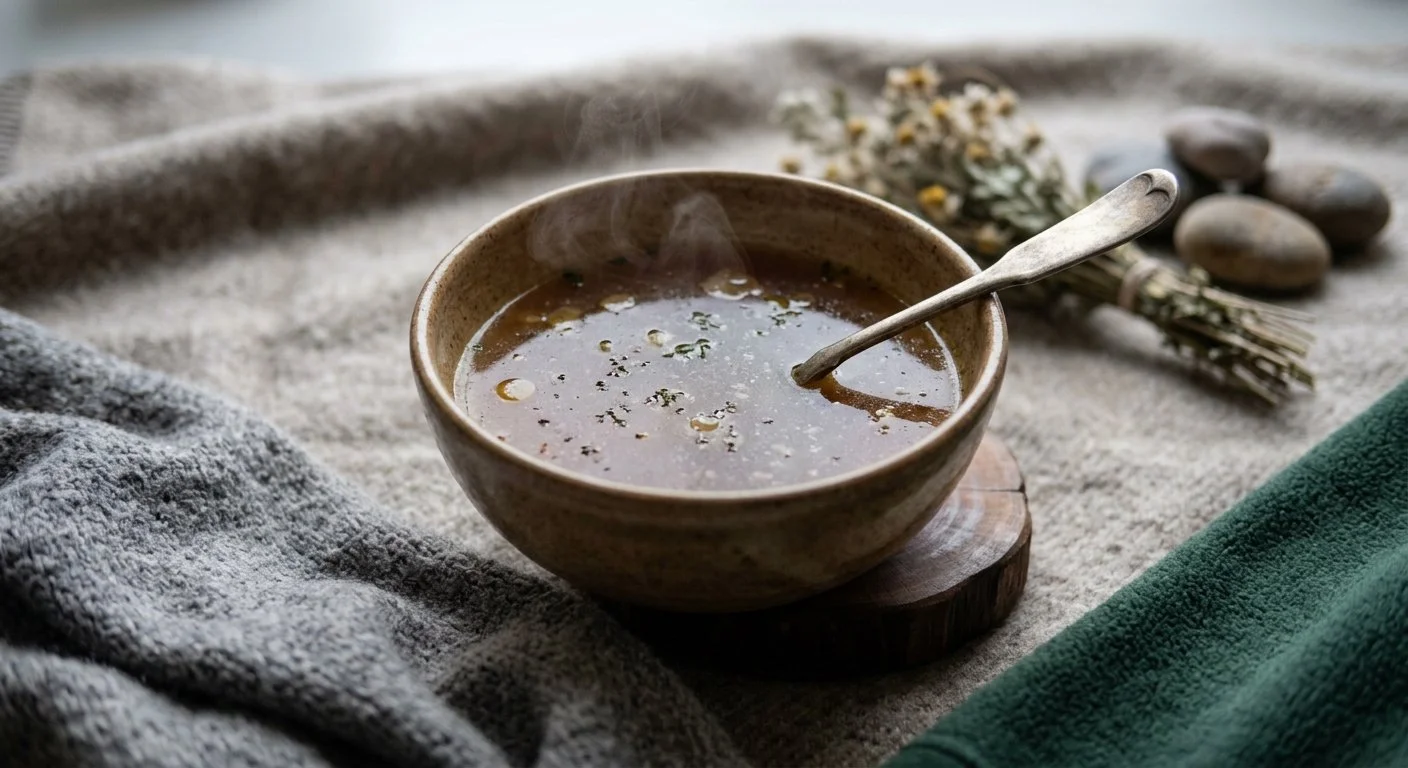
Enjoy warm drinks and soups: A hot cup of herbal tea or a bowl of homemade soup is deeply comforting after time outdoors, aligning with the TCM focus on internal warmth.
Dress in smart layers: Choose clothing that lets you easily adjust as the temperature shifts throughout a chilly Borders day.
These habits aren't a medical guarantee against catching a bug, but they are a lovely, mindful way to look after your comfort as the seasons turn. What I appreciate most about TCM is the reminder that we aren't separate from nature—we are part of it.
As the autumn winds sweep across the Scottish Borders, I’ll certainly be keeping my scarf close at hand!
If you're curious about Chinese medicine and would like to learn more about my approach, you're always welcome to get in touch.
Supporting Your Well-Being This Season
Acupuncture supports your body’s natural balance rather than treating viral illness directly, and recovery always takes time. As always, if your health symptoms are persistent, worsening, or concerning, it’s important to seek advice from your GP or medical professional.
If you’d like to explore how acupuncture can support your relaxation, ease muscle tension, and improve general well-being as we head into winter, you are very welcome to book an acupuncture consultation at my clinics in Galashiels or Kelso.
About Healing Point Acupuncture
Saule Zukaityte provides Traditional Chinese Medicine and acupuncture across the Scottish Borders, with clinics based in Galashiels and Kelso.
Have a question about seasonal acupuncture or want to discuss a specific health concern? Feel free to get in touch via our contact page or send an enquiry directly!
This article shares personal reflections and general information about Traditional Chinese Medicine. It is not medical advice. Common colds are caused by viruses, and covering the neck does not guarantee protection against infection.
