

Have you ever wondered what's actually happening inside your body when you have acupuncture? How can a few tiny needles, placed gently into the skin, interact with something as complex as our nervous system?
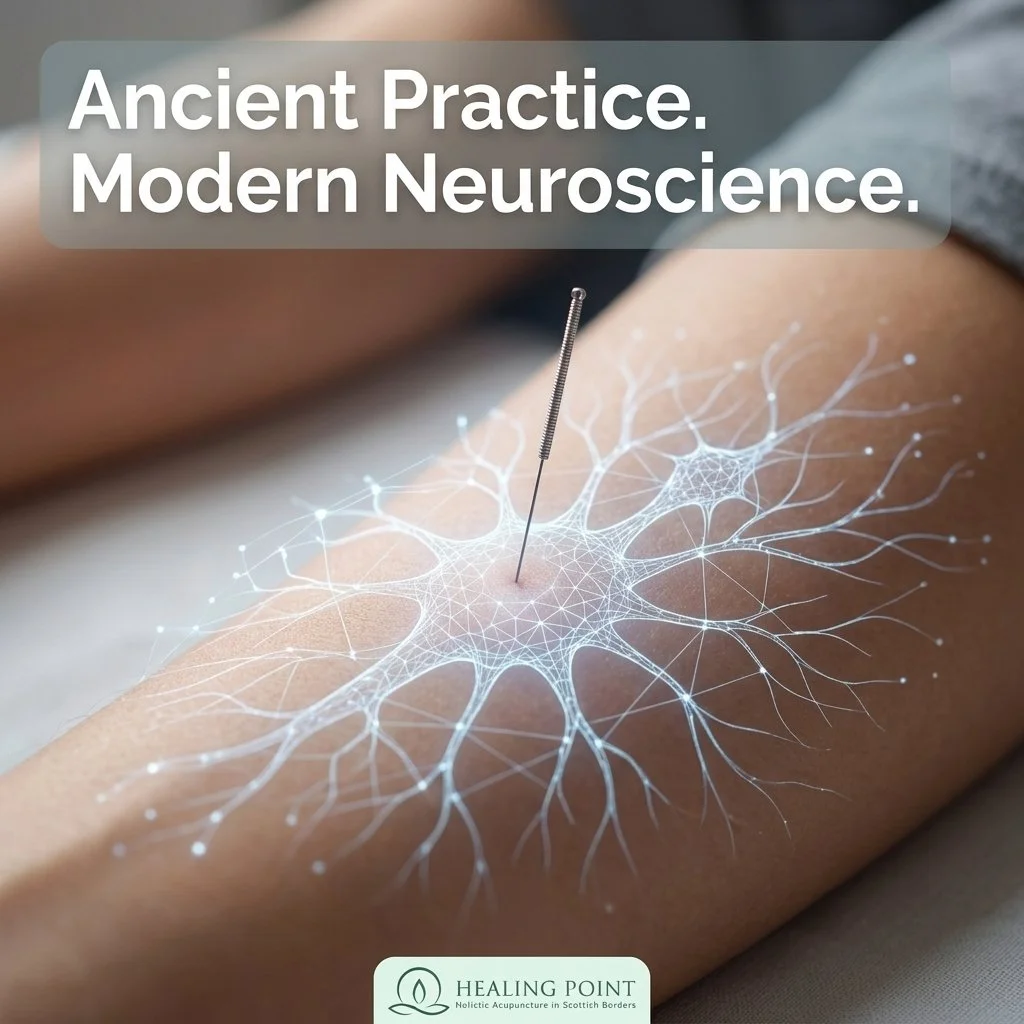
It's something I find absolutely fascinating. And the more we learn through modern research, the more interesting it becomes!
Acupuncture has been practised for thousands of years, but scientists are still exploring exactly how it interacts with the body. We're learning more about the connections between our nerves, brain, connective tissue and even our immune system.
So, let's have a little look at what's happening beneath the surface. Some of the research is really quite interesting!
1. It's Not Just About the Needles – It's About Your Connective Tissue Too!
Have you heard of fascia? It's the connective tissue that runs throughout our body, surrounding and connecting our muscles, organs and other structures. Think of it as a continuous web that helps hold everything together.
One particularly interesting area of research looks at what happens when an acupuncture needle is gently rotated.
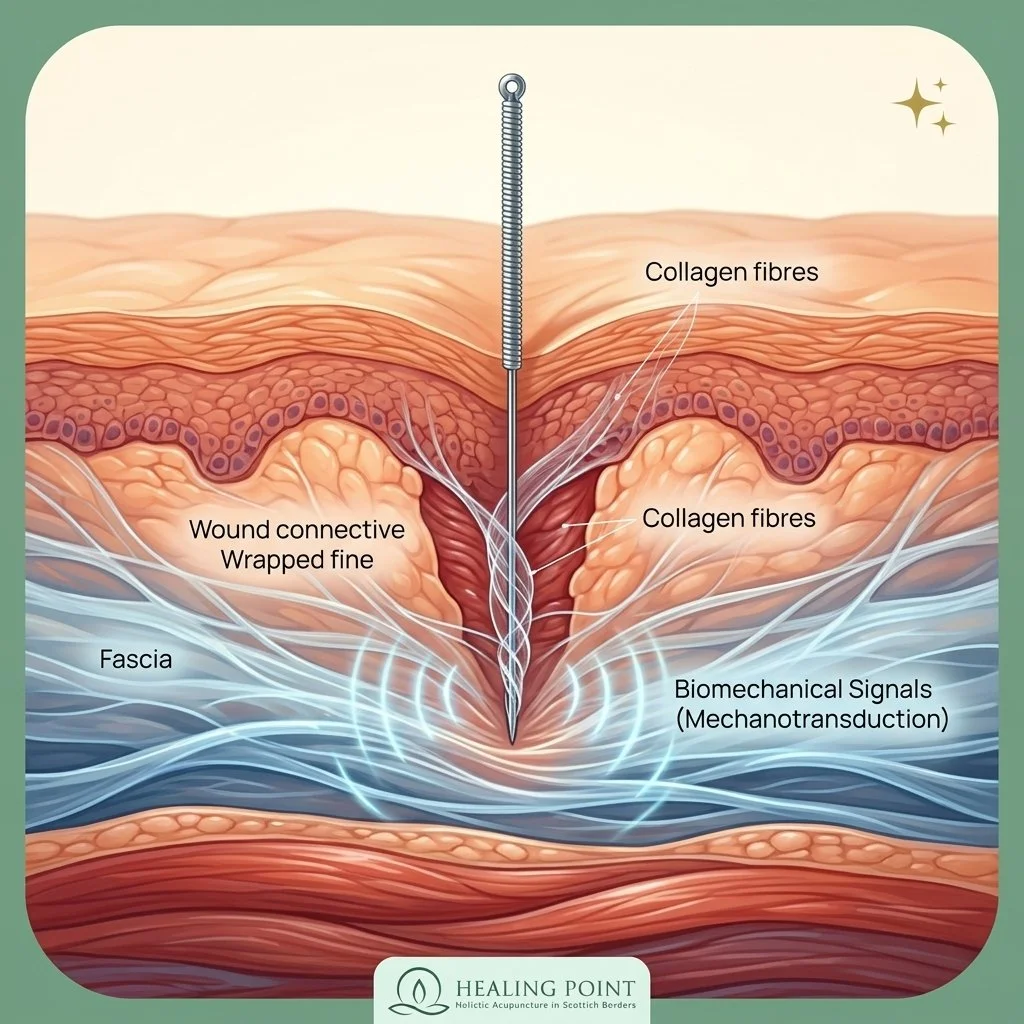
Researchers have investigated how needle rotation interacts with the surrounding connective tissue and collagen fibres. One study found that rotating a needle increased the amount of tissue gripping the needle. Interestingly, this was investigated in human participants as well as through experiments using rat tissue.
This is linked to something called mechanotransduction. A rather complicated word, but the idea is quite simple: physical movement creates mechanical signals that cells can respond to.
Researchers believe this interaction may help us understand some of the physical responses to acupuncture.
It's also interesting when we think about De Qi, the traditional term used to describe the sensation associated with acupuncture needling. People sometimes describe this as an ache, heaviness or a gentle pulling sensation around the needle.
There's clearly more happening around that tiny needle than we might first imagine!
2. Your Nervous System and Immune System Are Having a Conversation
Here's another fascinating area of research.
We tend to think of our nervous system and immune system as two separate things, but they're actually in constant communication.
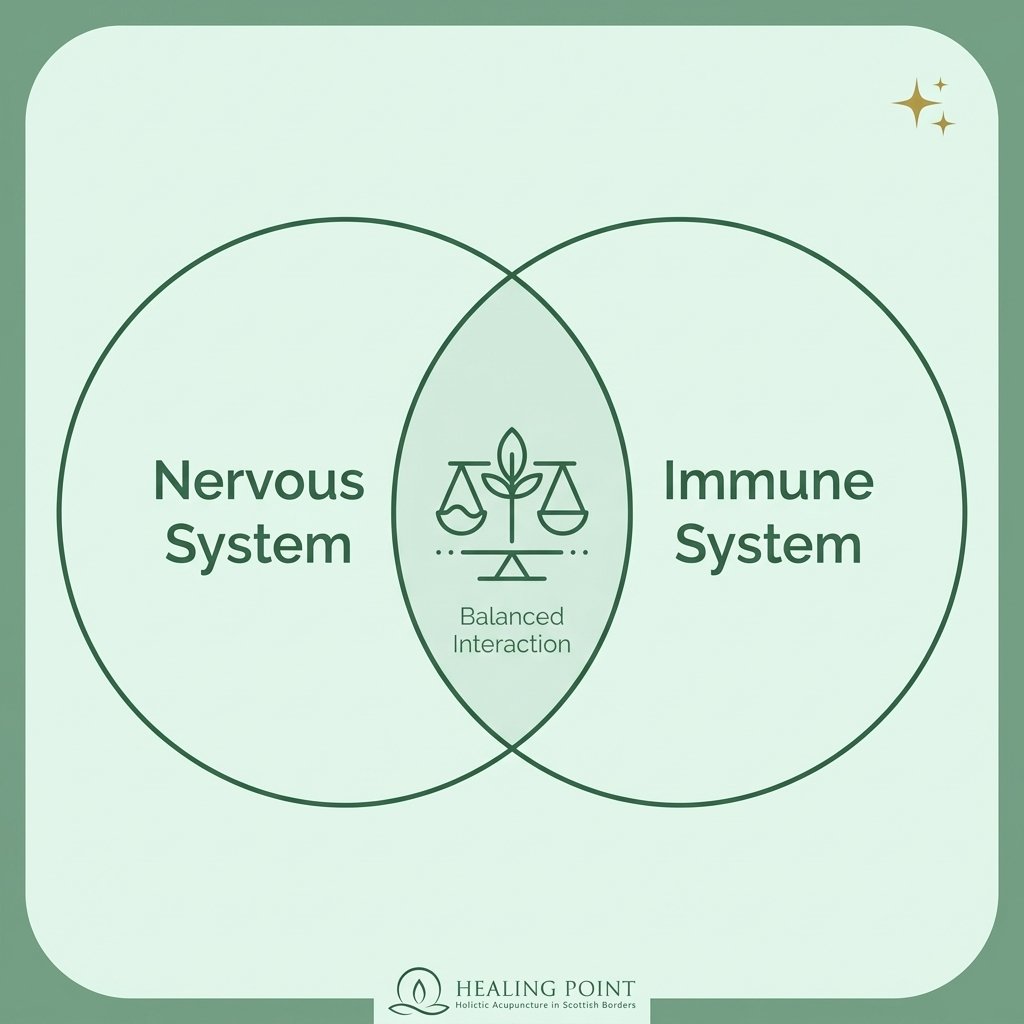
Scientists have been investigating how acupuncture stimulation interacts with immune cells, including mast cells and neutrophils. These cells play an important role in the body's natural inflammatory responses.
Some experimental research suggests that acupuncture stimulation can influence the activity of these cells and the chemical signals they release.
One particularly interesting review looked at these responses in animal studies, exploring how local tissue changes may be connected to wider communication between the nervous and immune systems.
It's important to remember that these findings don't yet establish the same effects in humans.
But it does give us a fascinating insight into just how interconnected our nervous and immune systems really are.
3. Stress, Cortisol and That Feeling of Being 'Wired but Tired'
I'm sure many of us recognise that feeling of being absolutely exhausted but somehow unable to switch off.
Perhaps your mind is racing, your shoulders are permanently up around your ears, or you find yourself waking in the middle of the night.
One of the systems involved in our body's response to stress is called the HPA axis (Hypothalamic-Pituitary-Adrenal axis).
This is essentially the communication system between our brain and adrenal glands, helping regulate hormones such as cortisol.
Researchers have been exploring whether acupuncture influences this system, alongside the autonomic nervous system, which controls many of our automatic bodily functions.
Another interesting area of research is heart rate variability (HRV). This measures the variation in time between heartbeats and is commonly used as an indicator of autonomic nervous system activity.
A systematic review of nine randomised controlled trials found some encouraging changes in HRV measurements following acupuncture, although the researchers highlighted limitations in the quality and consistency of the studies.
It's an interesting area of research, but we can't yet say that acupuncture reliably balances cortisol levels or resets our stress response.
4. What Can Brain Scans Tell Us?
Now, this is where things get really interesting!
Researchers can use brain imaging techniques such as functional MRI (fMRI) to observe changes in brain activity during acupuncture stimulation.
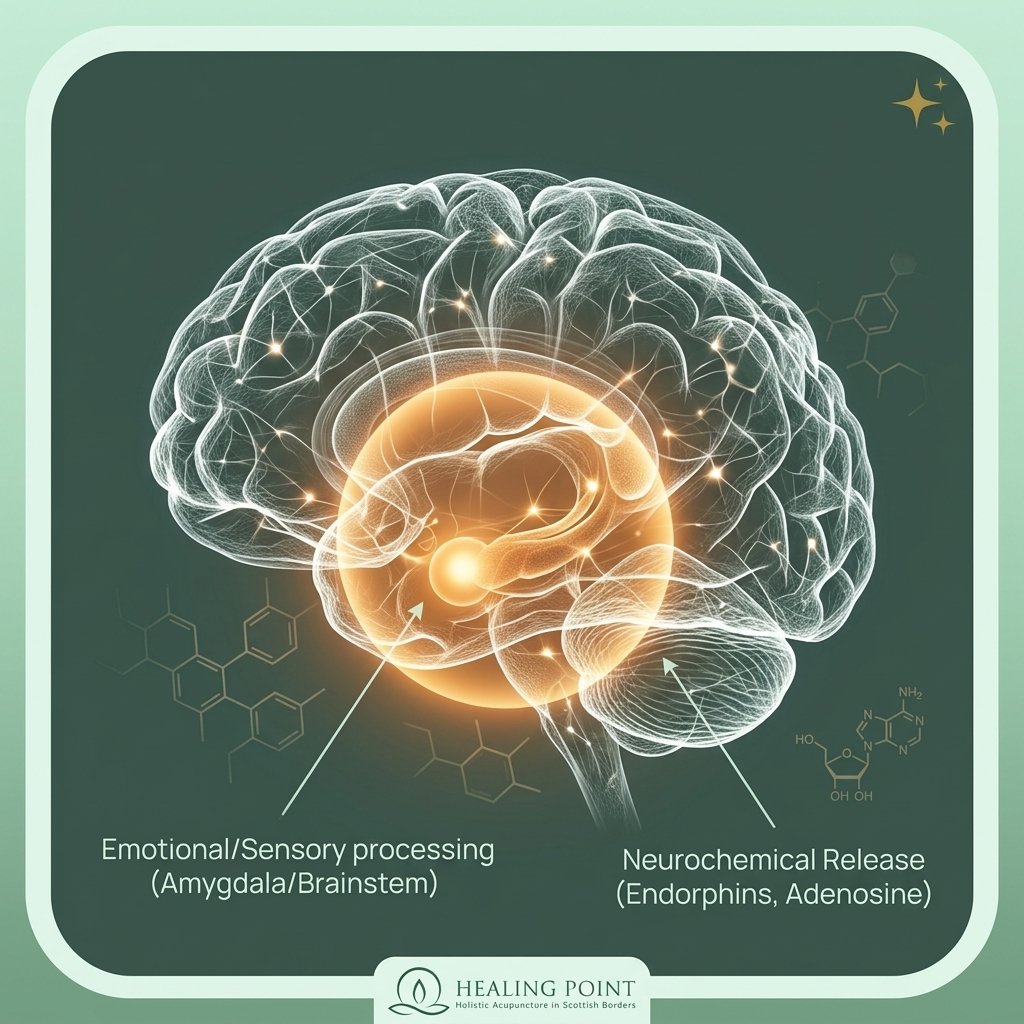
Reviews of human brain-imaging studies have reported changes in activity across several areas of the brain, including regions involved in processing sensations, emotions and pain.
A more recent review also explored brain activity associated with stimulation of a particular acupuncture point, looking at areas involved in sensory and emotional processing.
The findings vary between studies, and researchers are still working to understand exactly what these changes mean.
Scientists are also investigating how acupuncture interacts with the body's own chemical messengers, including endorphins and adenosine.
Although there's still plenty to discover, brain imaging gives researchers a fascinating opportunity to explore the relationship between acupuncture stimulation and the central nervous system.
It's quite remarkable how much we can now investigate!
So, What Does All This Mean?
For me, one of the most interesting things about acupuncture is how it encourages us to look at the body as a whole.
Our nervous system, connective tissue, immune system and brain are all communicating with one another, all the time.
We're still learning so much about these connections, and modern research is helping us understand more about the biological responses that may be involved when acupuncture is used.
I find it exciting that a practice with such a long history is still giving scientists so much to explore.
And perhaps that's what makes acupuncture so interesting – there's much more going on beneath the surface than we might first think!
Thinking About Trying Acupuncture?
If you've been curious about acupuncture, perhaps wondering what happens during a treatment or whether it's something you'd like to explore, you don't need to understand all the science before getting started!
You might simply be interested in finding out a little more, or perhaps you'd like to chat about what happens during a first appointment.
Whatever your questions, you're very welcome to get in touch. I'm always happy to have a chat and help you decide whether acupuncture is something you'd like to try.
Please note: This article is for general educational information only and is not a substitute for medical advice from your GP or healthcare provider.
If You'd Like to Read a Little More...
I've included some research papers and resources below if you'd like to explore these subjects further. Some are quite scientific, but they're fascinating if you enjoy finding out a little more about how our bodies work!
Fascia and connective tissue
Evidence of Connective Tissue Involvement in Acupuncture – PubMed (2002)
The nervous system and immune response
Stress and the HPA axis
Effects of Acupuncture on the Hypothalamic-Pituitary-Adrenal Axis – PubMed
Heart rate variability and the autonomic nervous system
Acupuncture and Autonomic Nervous System Activity – Systematic Review and Meta-analysis
Brain imaging and acupuncture
A More Recent Review of Brain Imaging and Acupuncture
These papers explore possible biological mechanisms. They're a starting point for anyone interested in the science, rather than proof that acupuncture produces particular health outcomes in everyone.
