

In our modern culture, rest is often seen as something to earn — or even something to feel guilty about. As January arrives, many people feel pressure to push forward with new goals and routines, even when the body feels tired, heavy, or resistant.
From a Traditional Chinese Medicine (TCM) perspective, this resistance is not a lack of motivation.
It is an invitation to pause and pay attention to what you need.

Winter: The Most Yin Season
In TCM, winter is the most Yin season of the year. Yin represents stillness, depth, rest, and conservation.
Nature reflects this perfectly. Trees are bare, seeds lie dormant beneath the soil, and animals conserve energy. Winter is not a time of outward growth — it is a time of quiet and reflection.
The Kidneys and Winter Energy
Winter is closely linked with the Kidney system in TCM, which is traditionally associated with Jing, sometimes described as foundational essence or vitality.
Within TCM theory, Jing is associated with:
Energy and vitality
Resilience
Fertility
The ageing process

These are traditional TCM concepts and do not describe the medical functions of the anatomical kidneys or a measurable store of energy in the body.
Signs Your Body Is Asking for Rest
During winter, some people may notice changes in their energy, mood and routines. These might include:
Ongoing tiredness
Feeling cold easily
Low motivation
Lower back or knee aches
Poor sleep
Emotional heaviness
In TCM, these experiences may be considered within the broader context of seasonal patterns. They can also have many other causes and should not automatically be attributed to a Kidney imbalance.
Rest as Medicine
Rest, in this context, is not laziness.
It is an important part of looking after your general wellbeing.
Rest doesn’t mean doing nothing. It means choosing supportive rhythms:
Going to bed a little earlier
Slowing your pace where possible
Choosing gentle movement over intense exercise
Allowing quiet time for reflection
These simple choices can help create a more balanced and manageable winter routine.
How Acupuncture Fits into Winter Wellbeing
Acupuncture is one way some people choose to make time for relaxation and self-care during winter.
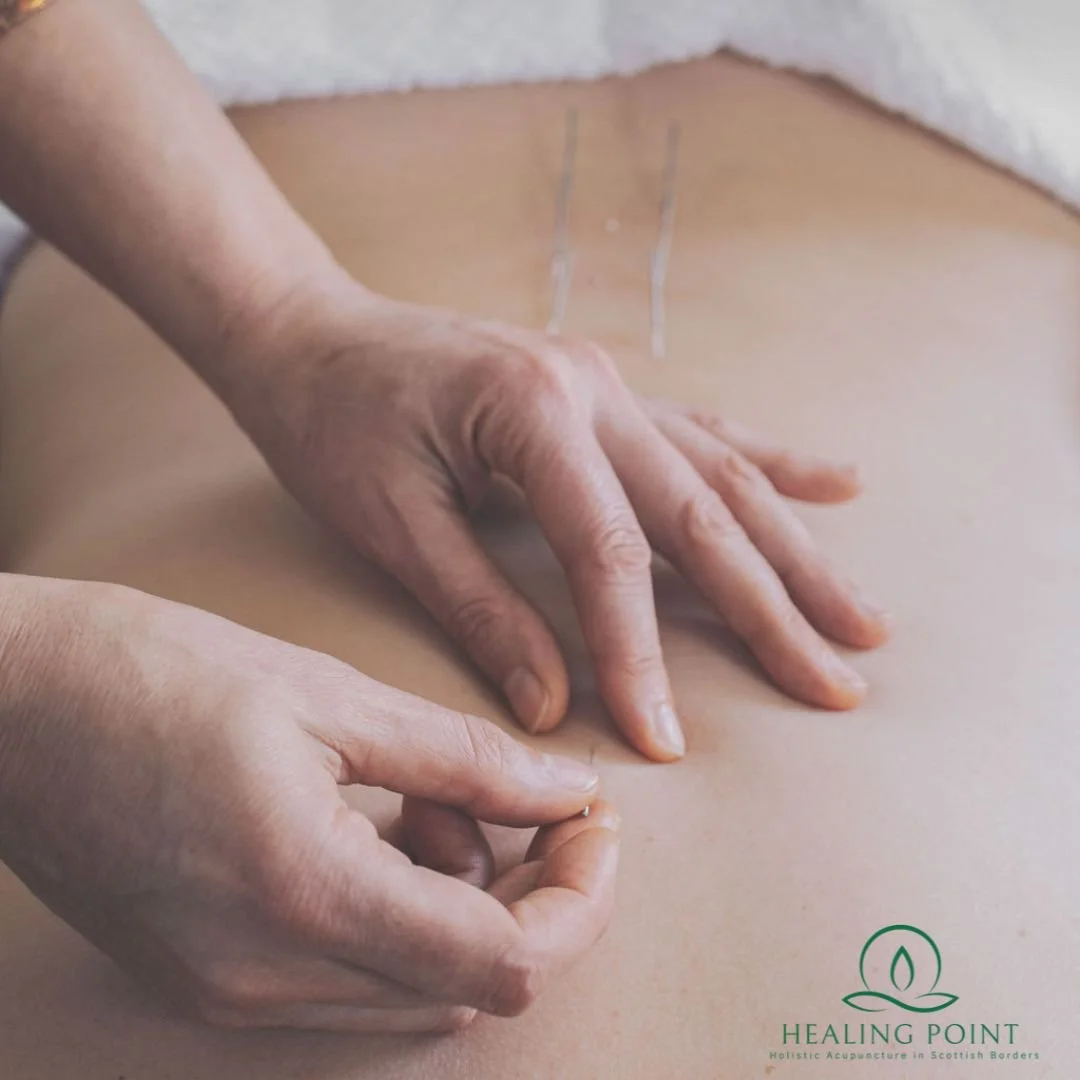
Within traditional TCM practice, a practitioner may consider seasonal themes and individual patterns when selecting acupuncture points. Treatments are tailored to the individual, and experiences vary. Acupuncture should not be described as replenishing Jing, restoring energy or correcting internal imbalances.
Laying Foundations for the Year Ahead
Rather than seeing January as a time to push harder, TCM offers a traditional perspective that encourages rest and reflection during winter.
Just as seeds rest beneath the soil before spring growth, taking time to slow down can help us establish supportive routines for the year ahead.
In Part 2, we’ll explore what a “gentle winter reset” really means from a TCM perspective. We’ll look at why extreme detoxes aren’t ideal at this time of year, and how simple, nourishing practices can help you look after your general wellbeing during the winter months.
A Gentle Invitation
If your body feels tired, achy, or in need of warmth and support this winter, you’re welcome to contact Healing Point to discuss whether acupuncture may be suitable for your individual needs.
You’re very welcome to get in touch if you’d like to book a session or simply learn more.
